
Cannabinoids, Terpenes and Strains
Blue Dream: patient notes on strain claims and product variability
Patient-first notes on Blue Dream strain claims, THC variability, reported effects, and why a strain name should not drive medical cannabis decisions.
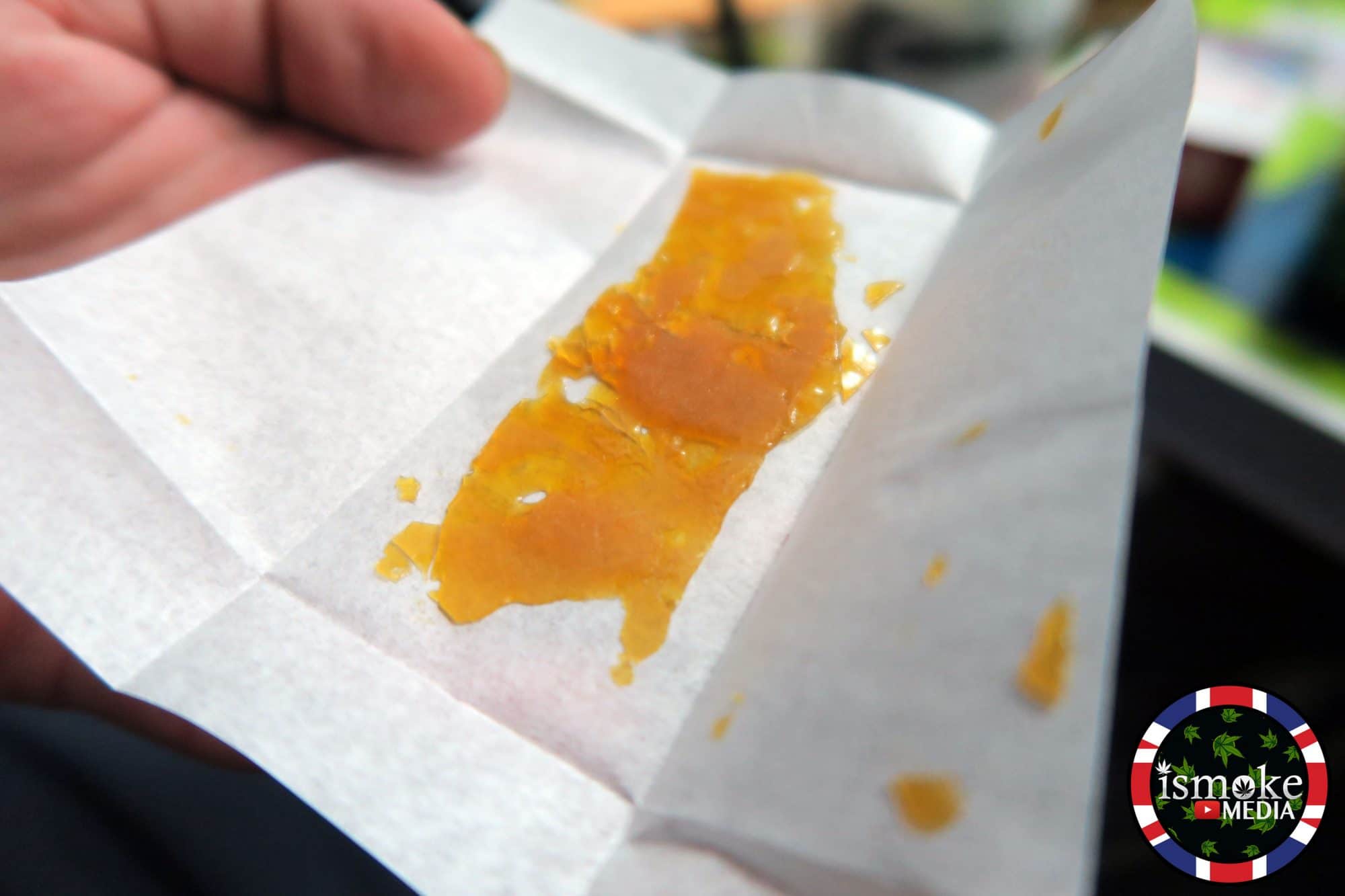
Blue Dream is a widely recognised cannabis strain name, often described as a cross involving Blueberry and Haze genetics. Patients may see the name in strain libraries, older reviews, product menus, or informal cannabis discussions. The name can be useful context, but it should not be treated as a clinical shortcut.
Key points
- Blue Dream is usually described as a sativa-leaning hybrid, but strain labels are not precise medical categories.
- Reported effects vary between products, batches, routes, doses, and individual patients.
- THC content, CBD content, terpene profile, and formulation matter more than the name alone.
- A strain page can help you understand language, but it cannot tell you whether a product is suitable.
- If you are prescribed medical cannabis, discuss product changes with your prescriber rather than relying on a review.
What the name can tell you
Strain names often carry useful history. Blue Dream is commonly associated with berry-like aroma notes and Haze-influenced lineage. That may explain why the name appears often in review culture and patient forums.
The limit is that the same strain name can be used for products that are not identical. Cultivation, phenotype, batch testing, drying, storage, and supply chain controls can all change what a patient receives. A familiar name does not guarantee the same strength, terpene profile, onset, duration, or side-effect risk.
What patients should check instead
Before comparing Blue Dream with another product, check:
- whether the product is prescribed, regulated, or only described informally
- THC and CBD strength
- route of use, such as oil, flower, vaporised product, or extract
- onset and duration for that route
- batch or lab information where available
- known side effects, impairment, driving risk, and medicine interactions
- whether the page is evidence-led, patient education, or marketing language
These details are more useful than asking whether Blue Dream is generally "good" or "bad". Medical cannabis decisions depend on the patient, the condition, the product, and the monitoring plan.
Reported effects and uncertainty
Blue Dream is often described in non-clinical sources as having both uplifting and relaxing qualities. Some patients may find that kind of language helpful when preparing questions, but it should not be read as a reliable prediction.
THC-containing products can cause impairment, anxiety, dizziness, dry mouth, altered concentration, and other side effects. Responses can be stronger in people who are new to cannabis, sensitive to THC, using other sedating medicines, or managing mental health symptoms.
If a product affects your alertness, co-ordination, reaction time, or judgement, do not drive. Read medical cannabis and driving in the UK before relying on a routine that involves driving, work machinery, school runs, or caring responsibilities.
Questions for a clinician
- Is this product prescribed or only a strain-name comparison?
- What are the THC and CBD strengths, and how do they fit my care plan?
- How should side effects, impairment, and interactions be monitored?
- What should I do if the product feels too strong, too sedating, or anxiety-provoking?
- Could this affect driving, work, sleep, mood, or other medicines?
Related MCPH guides
- Strains hub
- Cannabinoids, terpenes and strains hub
- Medical cannabis side effects and interactions
- Medical cannabis and driving in the UK
- How to talk to a clinician about medical cannabis
Bottom line
Blue Dream is a useful strain name to recognise, but it is not a treatment plan. Use the name as background, then focus on the prescribed product, dose, route, safety profile, and clinician advice.