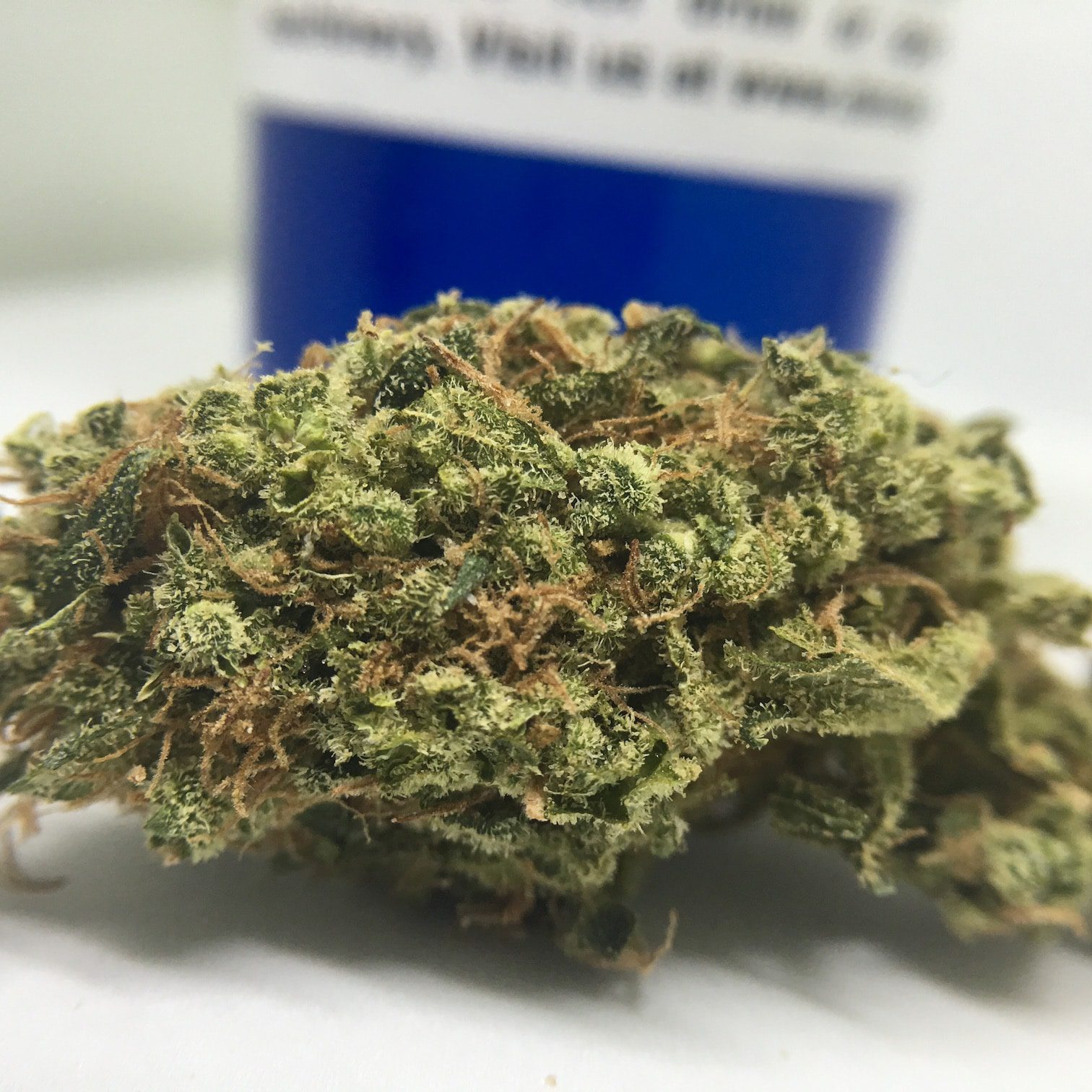
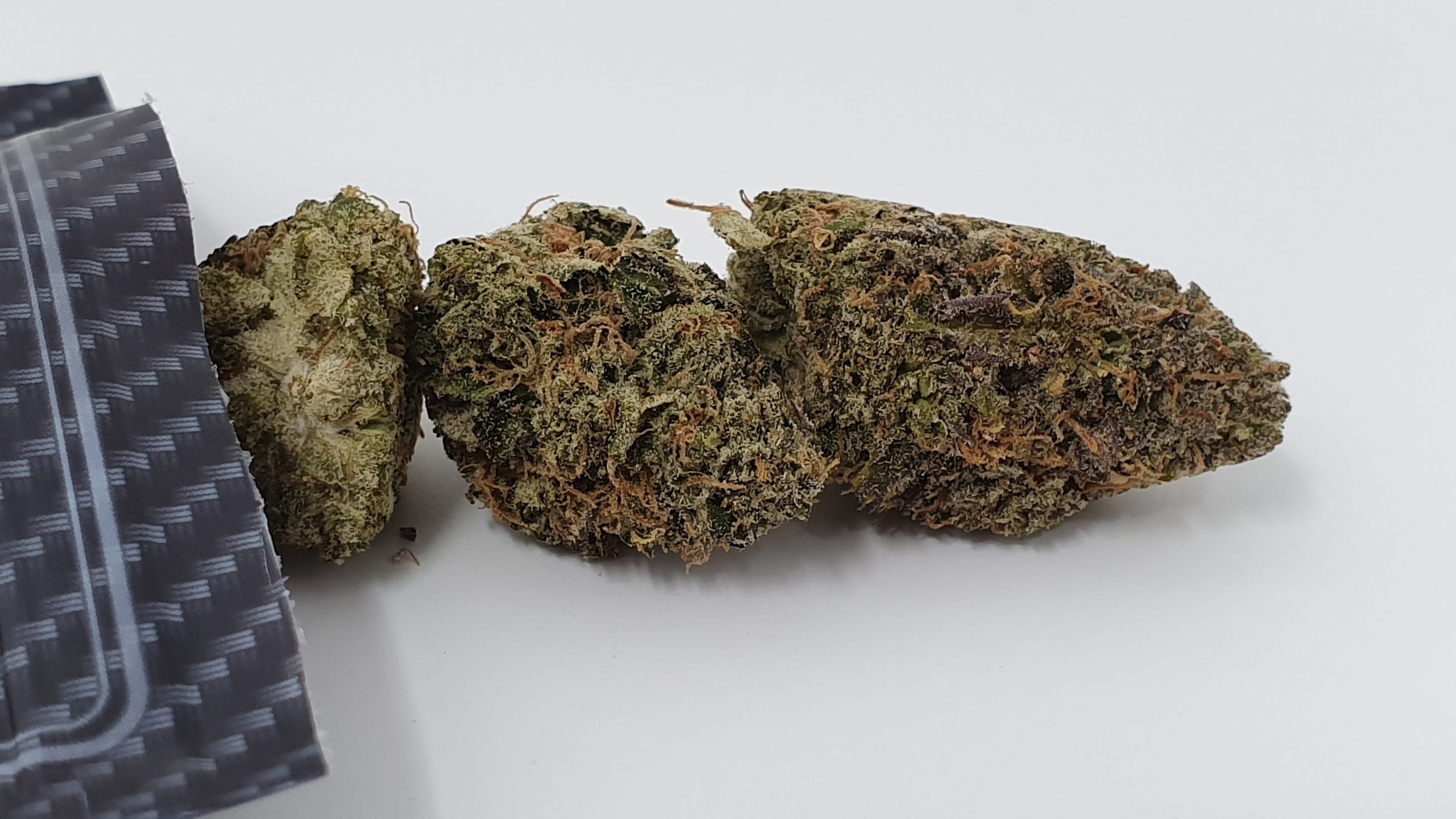
Strain library
Strains hub
A patient-first strain library explaining strain names, terpene notes, product variability, review context, and why labels alone should not drive medical decisions.
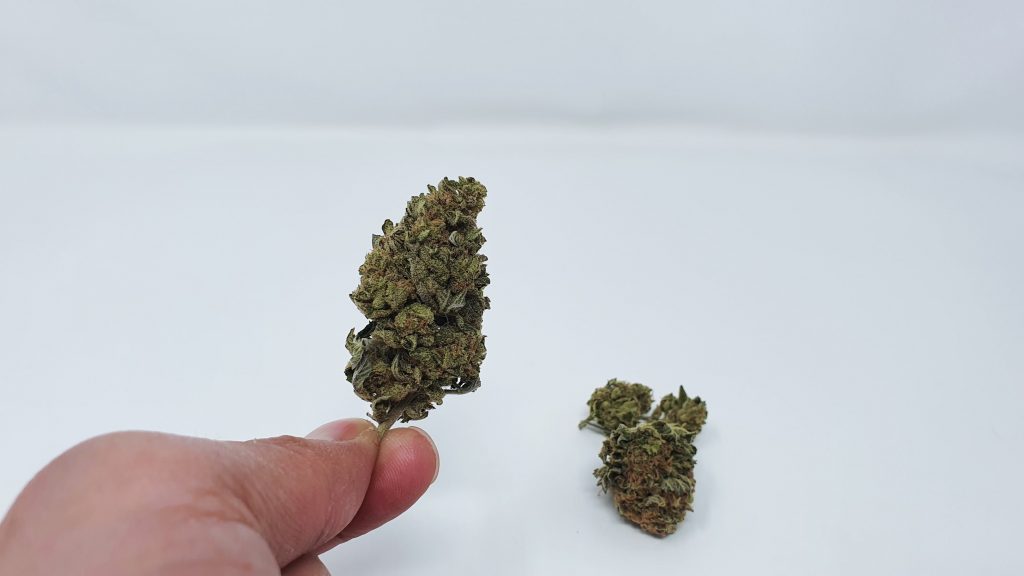
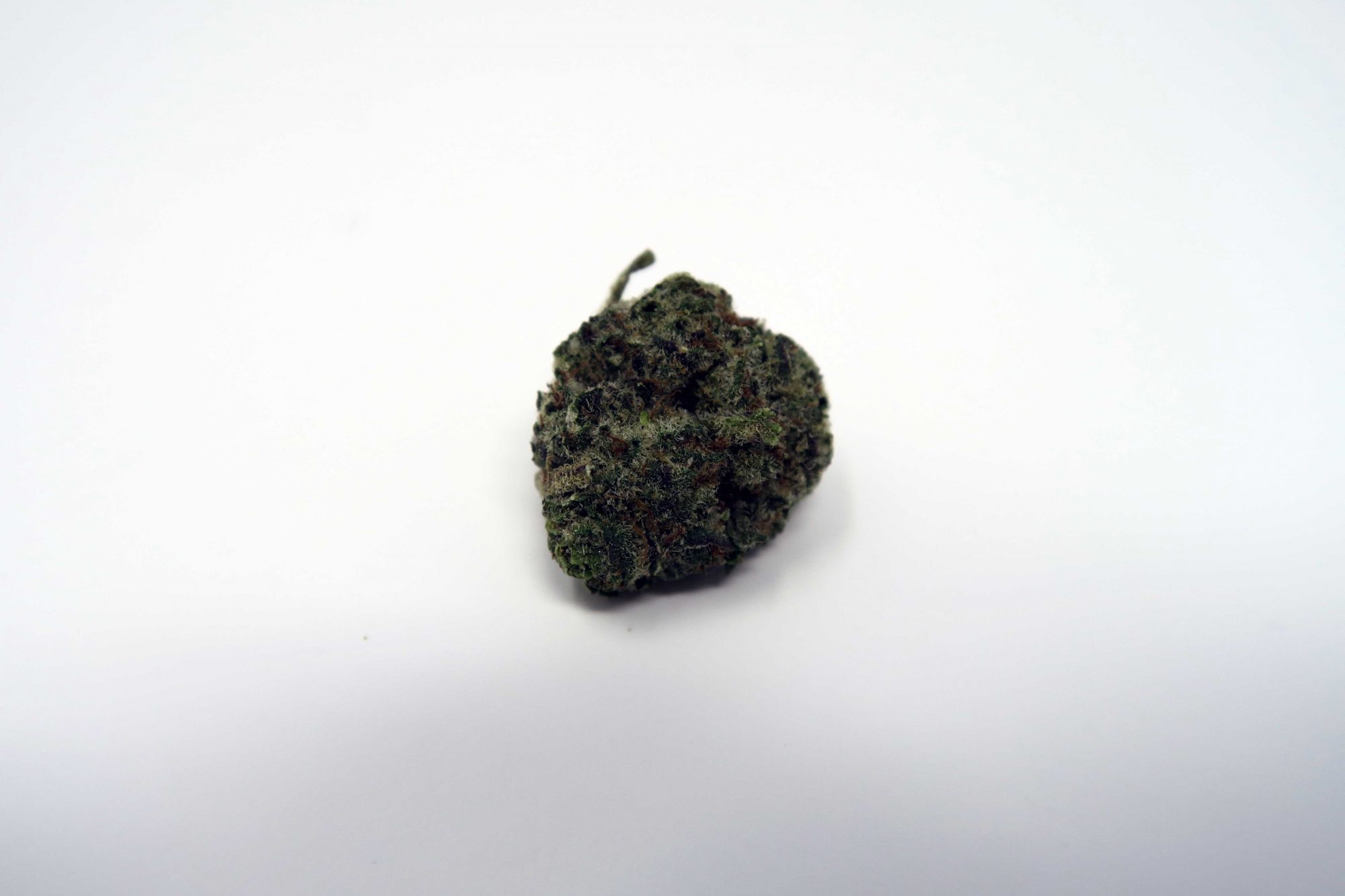
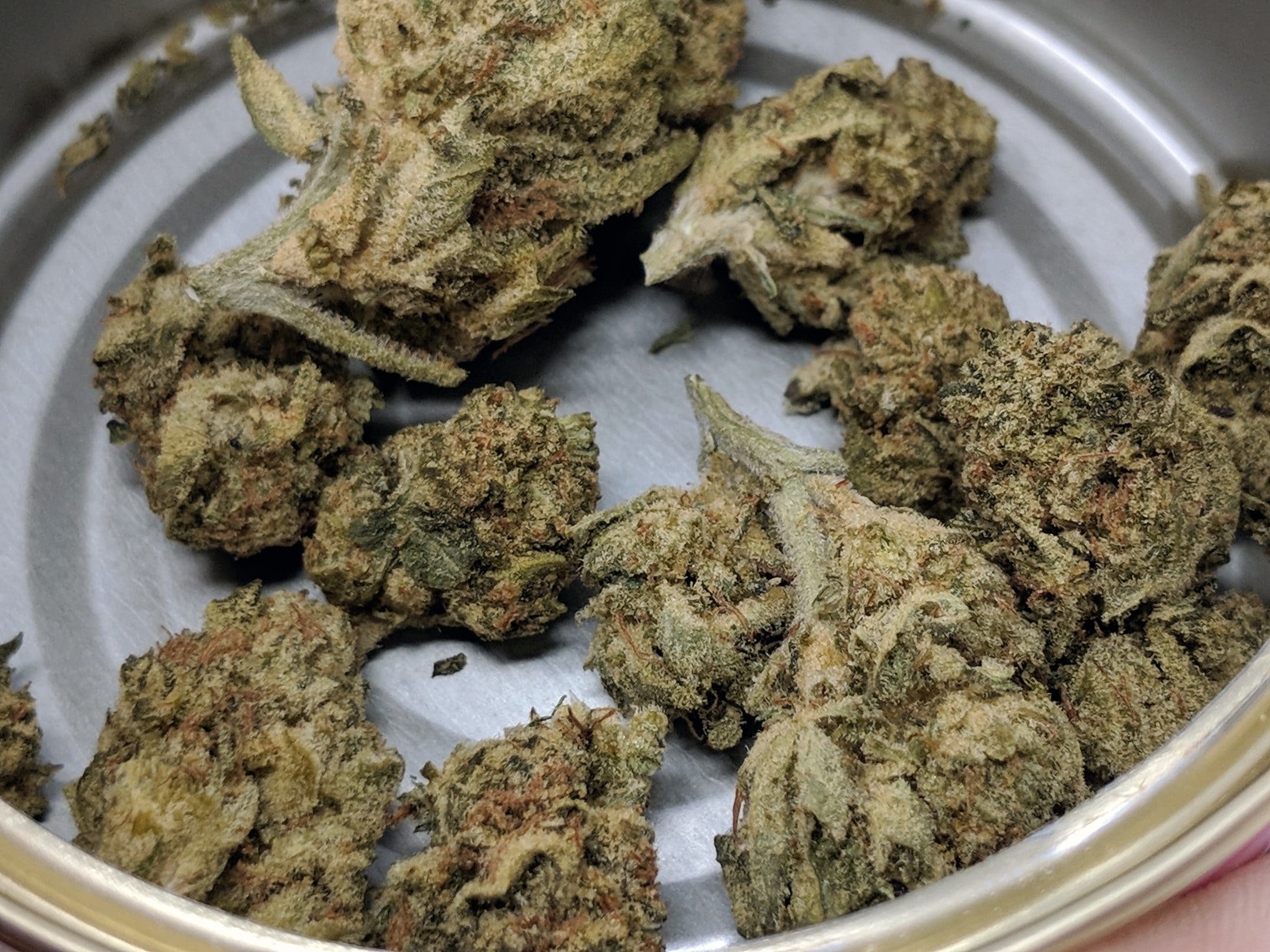
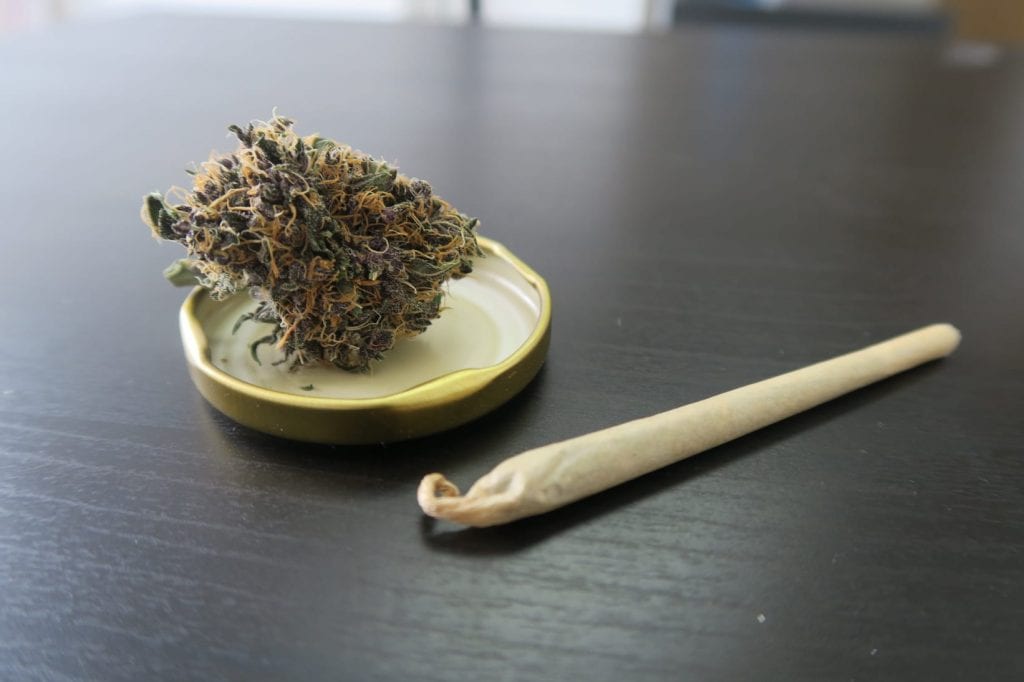
This hub gathers the strain review library in one place so patients can compare names, notes, and variability without being pushed into marketing language. A strain name is background information, not a prescribing decision.
What this hub covers
- strain naming and phenotype drift
- flavour, aroma, and terpene notes
- effect reports versus clinical evidence
- product variability between batches
- when strain labels are not enough for medical decisions
How to use this strain library safely
Use the strain library to understand language you may see on product pages, clinic letters, pharmacy menus, or older cannabis articles. Do not use it to decide what you should take, change, or request.
Effects can vary by product, batch, THC and CBD content, route of use, dose, tolerance, other medicines, mental health history, and the reason a patient is being treated. Patient reports can be useful context, but they are not clinical evidence and they cannot predict your response.
If you are prescribed medical cannabis, discuss product changes with your prescriber. If you are not prescribed, strain reviews do not make an unregulated product safer or lawful.
What a strain page can and cannot tell you
A strain page can help with:
- lineage, naming history, and why labels can drift
- aroma, flavour, and common terpene language
- patient-reported context that may shape appointment questions
- caution points around potency, route, impairment, or expectations
A strain page cannot:
- promise symptom improvement
- replace product-specific prescribing
- prove a product is safe, lawful, or suitable for you
- predict side effects, interactions, or driving risk
- tell you to stop, swap, or reduce another medicine
Before you compare strains
Check the basics first:
- prescribed product name and form, if you have one
- THC and CBD strength
- route of use and expected onset or duration
- batch or lab information where available
- side effects, interactions, and driving relevance
- whether the article is patient education, a legacy review, or marketing language
Useful reads
- How new strains of cannabis are created
- A history of Chemdawg and Sour Diesel cannabis strains
- What's the difference between sativa, indica, and hybrid cannabis strains?
- What are cannabis terpenes?
- Cannabis strain spotlight: Strawberry Cheese
- Gorilla Glue 4 cannabis strain review comparison
- Blue Dream cannabis strain review
- Runtz strain notes for patients
- Wedding Cake strain notes for patients
- Green Gelato cannabis strain review information
- Phantom OG cannabis strain review information
Start here
- Cannabinoids, terpenes and strains hub
- Medical education hub
- Safety, legal and driving hub
- Trust and governance
- Medical cannabis side effects and interactions
- Medical cannabis and driving in the UK
- Cannabis and mental health: what patients should know
How to use it
Use the strain name as a starting point, then check the evidence, route, and safety context before treating the label as a decision in itself. A strain page is background, not a prescription decision on its own.
Safety bridge
If a strain page makes you think about changing product, dose, route, timing, driving, or other medicines, pause and go to safety, legal and driving. The safer question is not "which strain sounds best?", but "what does my clinician need to know before this changes my care?".