
Cannabinoids, Terpenes and Strains
Runtz strain notes for patients
Patient-first notes on Runtz strain claims, product variability, THC/CBD checks, reported effects, side effects, driving, and clinician questions.
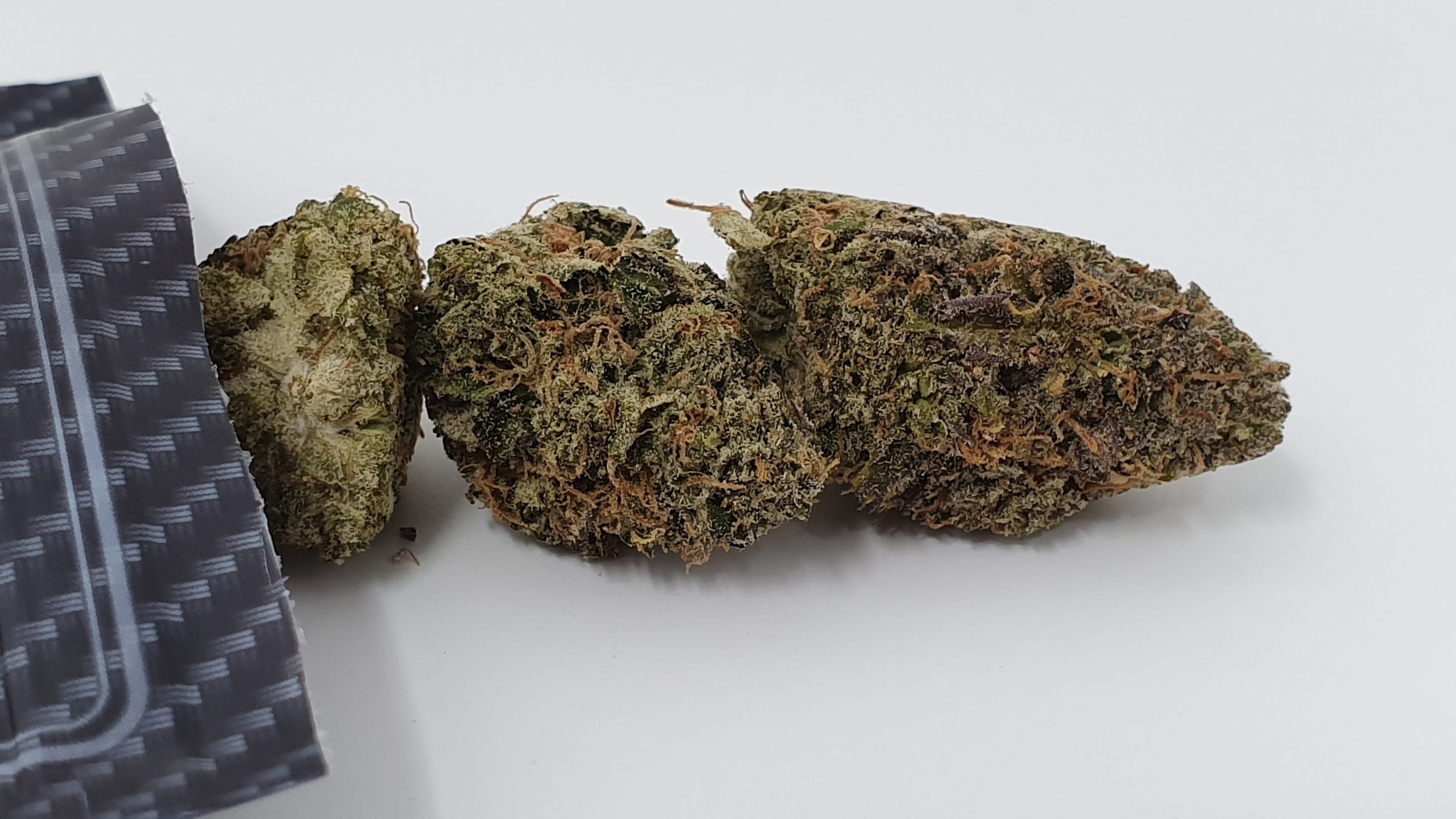
Runtz is a strain name often linked to Zkittlez and Gelato genetics. It is widely used in cannabis product language, but patients should treat the name as context rather than advice.
Key takeaways
- Runtz is a strain label, not a full medical product description.
- Sweet aroma or flavour descriptions do not prove safety, quality, or suitability.
- Reported effects vary between products, batches, routes, doses, and patients.
- THC strength, CBD content, route, side effects, and interactions matter more than the name.
- If a product change could affect your care, discuss it with your prescriber.
What the name can and cannot tell you
The Runtz name can help explain why a product is described with sweet or fruit-led aroma language. It may also help you recognise a family of products that appear in strain libraries or menus.
It cannot tell you whether the product is appropriate for your diagnosis, whether the batch is consistent, whether it will help a symptom, or whether it will be safe alongside your medicines. It also cannot predict how impaired you may feel.
What patients should check
Before comparing Runtz with another product, check:
- whether it is prescribed, regulated, or only discussed informally
- THC and CBD strength
- route of use and expected onset
- likely duration and possible next-day effects
- batch, lab, or pharmacy information where available
- side effects, interactions, and mental health cautions
- driving, work, caring, and safe-storage implications
If a review focuses mainly on aroma, appearance, or popularity, it is not answering the patient questions that matter most.
Reported effects and patient caution
Runtz is often described in non-clinical sources with mood and relaxation language. These are reports, not guarantees. A product that feels manageable for one person may feel too strong, too sedating, or anxiety-provoking for another.
THC-containing products can affect concentration, coordination, memory, judgement, reaction time, and confidence. Side effects can include dry mouth, dizziness, anxiety, panic, sedation, and unwanted mood changes.
If you feel impaired, do not drive. If symptoms worsen or the product interferes with work, sleep, caring responsibilities, or other medicines, pause and seek clinical advice.
Related MCPH guides
- Strains hub
- Cannabinoids, terpenes and strains hub
- Medical cannabis side effects and interactions
- Medical cannabis and driving in the UK
- Cannabis and mental health: what patients should know
Bottom line
Runtz can be useful as a product-language clue, but it is not enough for medical decision-making. Patients need product-specific details, safety monitoring, and clinician guidance.