
Cannabinoids, Terpenes and Strains
Modified Gas strain notes for patients
Patient-first notes on Modified Gas strain claims, THC strength, product quality, side effects, impairment, driving, and prescriber questions.
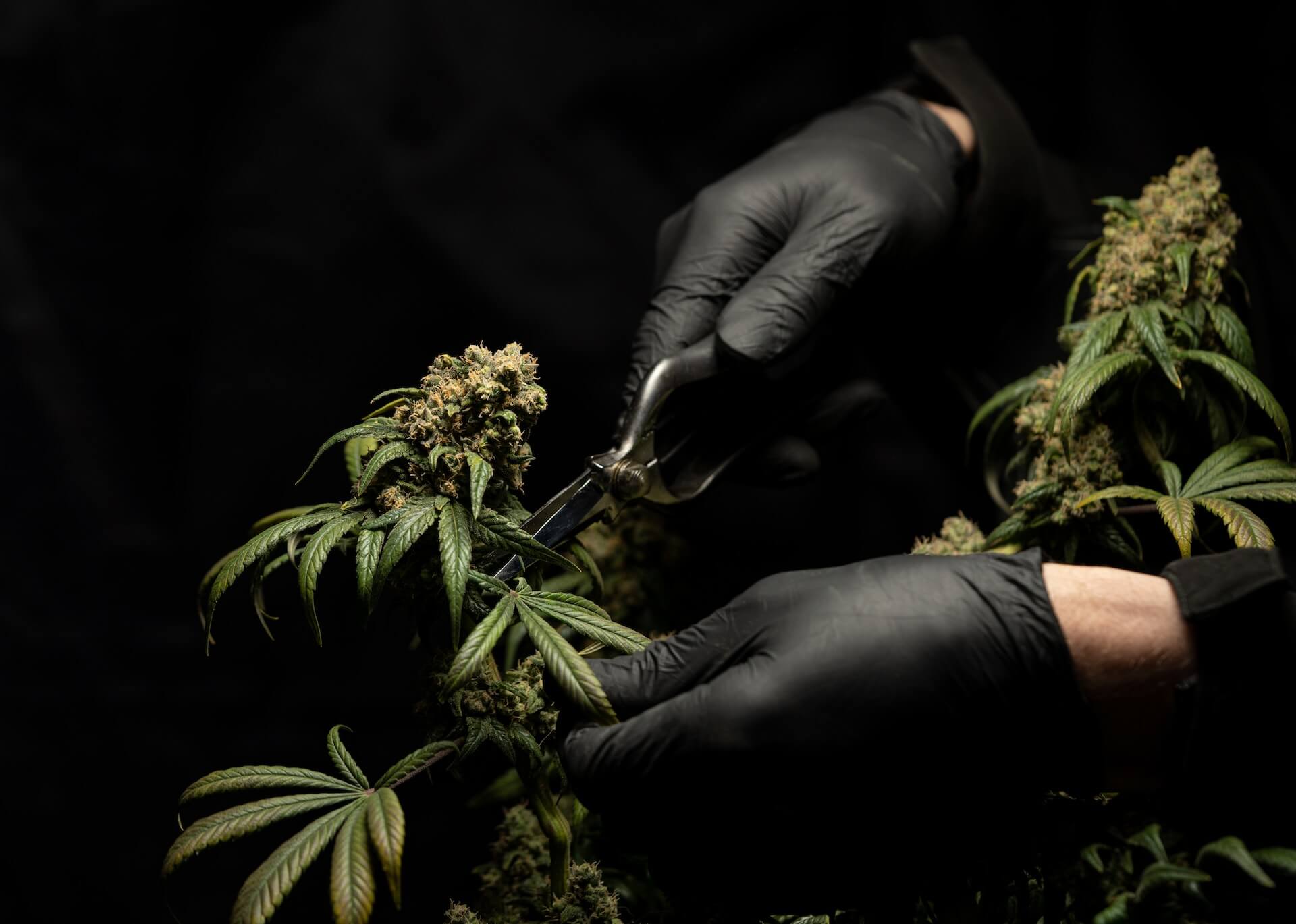
Modified Gas is a strain or product label that may appear in cannabis menus and review pages. It can tell you how a product is being described, but it cannot tell you whether the medicine will suit your symptoms, tolerance, daily routine, or risk profile.
Key takeaways
- Modified Gas is not a standard medical category.
- Strength, formulation, batch details, and route of use are more important than the strain name.
- Potency-led wording should trigger careful questions, not automatic confidence.
- Effects can vary between patients and between batches using similar names.
- Any product change should be discussed with the clinic or pharmacy responsible for your prescription.
How to compare it safely
Useful comparison starts with product information, not review language. Ask for or check:
- THC and CBD strength
- flower, oil, extract, or other route
- expected onset and duration
- batch or lab information where available
- storage and expiry advice
- side-effect and interaction warnings
- how the product fits your agreed treatment plan
If you are comparing Modified Gas with another strain label, keep a simple symptom and side-effect record. Note timing, dose, route, benefit, unwanted effects, sleep, anxiety, alertness, and next-day functioning. This gives your clinician more useful information than strain names alone.
Why high-THC wording needs caution
Many product pages use strong language around THC. THC can be clinically relevant, but more THC is not automatically better. Higher-strength products may increase impairment, anxiety, dizziness, sedation, dry mouth, confusion, or unwanted mood effects.
If a product affects alertness, concentration, balance, or reaction time, do not drive. The same caution applies to machinery, safety-critical work, and caring responsibilities.
When to seek advice
Speak to your prescriber or pharmacist before changing product, dose, route, or timing. This is especially important if you take sedatives, opioids, antidepressants, anticoagulants, seizure medicines, or several regular medicines.
Also seek advice if you have a history of psychosis, bipolar disorder, severe anxiety, substance dependence, or suicidal thoughts, or if a product causes panic, confusion, chest discomfort, fainting, or persistent next-day effects.
Related MCPH guides
- Strains hub
- Cannabinoids, terpenes and strains hub
- Medical cannabis side effects and interactions
- Cannabis and mental health
- Medical cannabis and driving in the UK
Bottom line
Modified Gas may be a useful label for comparison, but patient value comes from product-specific strength, route, quality checks, side-effect monitoring, and prescriber-led review.