
Cannabinoids, Terpenes and Strains
Forbidden Fruit strain notes for patients
Patient-first notes on Forbidden Fruit strain claims, condition-claim uncertainty, THC/CBD checks, side effects, impairment, driving, and clinician questions.
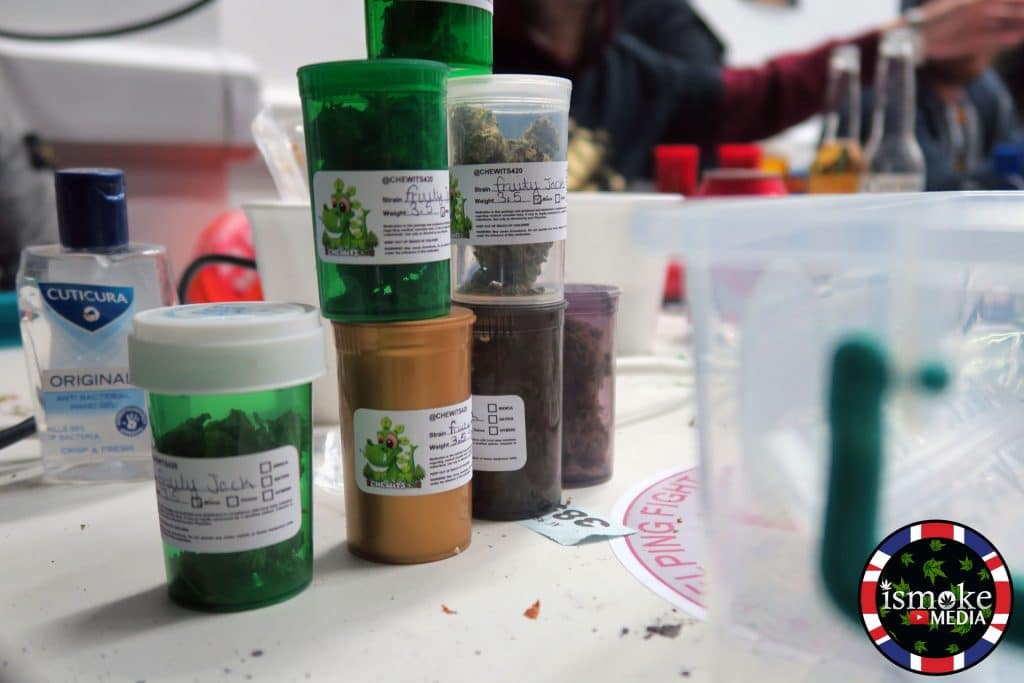
Forbidden Fruit is a strain name patients may see in cannabis strain libraries, product menus, or older review pages. Some sources attach condition or symptom claims to strain names like this. Patients should treat those claims carefully.
Key takeaways
- Forbidden Fruit is a strain label, not a diagnosis-led treatment plan.
- Condition claims attached to strain names are not the same as clinical evidence for you.
- THC/CBD strength, route, batch quality, and side-effect profile matter more than the name.
- Effects can vary between products, batches, routes, doses, and patients.
- If you are using prescribed medical cannabis, discuss product changes with your clinic.
Be cautious with condition claims
Older strain pages may mention pain, sleep, stress, migraine, mood, or other symptoms. Those claims can sound persuasive, but they are usually based on product descriptions, personal reports, or marketing language rather than controlled evidence for a specific patient.
For patient decisions, ask what is actually being prescribed:
- exact THC and CBD strength
- route of use and expected onset
- likely duration and possible next-day effects
- batch, lab, or pharmacy information where available
- side-effect warnings and interaction cautions
- whether the product fits your agreed treatment plan
Safety considerations
THC-containing products can impair concentration, coordination, judgement, memory, reaction time, and confidence. Side effects can include anxiety, panic, dizziness, dry mouth, sedation, confusion, or unwanted mood changes.
Be especially cautious if you drive, operate machinery, work in a safety-critical role, care for others, or need predictable daytime alertness. If you feel impaired, do not drive.
When to seek clinical advice
Speak to your prescriber or pharmacist if a product feels too strong, worsens anxiety, affects sleep, causes next-day effects, or interferes with work, driving, or caring responsibilities.
Extra caution is needed if you have a history of psychosis, bipolar disorder, severe anxiety, substance dependence, or suicidal thoughts, or if you take medicines that affect alertness, mood, bleeding risk, or seizures.
Related MCPH guides
- Strains hub
- Cannabinoids, terpenes and strains hub
- Medical cannabis side effects and interactions
- Cannabis and mental health
- How to talk to a clinician about medical cannabis
Bottom line
Forbidden Fruit is a product-language clue, not proof of benefit for a condition. Patients should focus on the prescribed product, strength, route, side effects, safety responsibilities, and clinician advice.