
Cannabinoids, Terpenes and Strains
Phantom OG cannabis strain review information
Patient-first notes on Phantom OG strain claims, reported effects, product variability, side effects, mental health cautions, driving, and clinician questions.
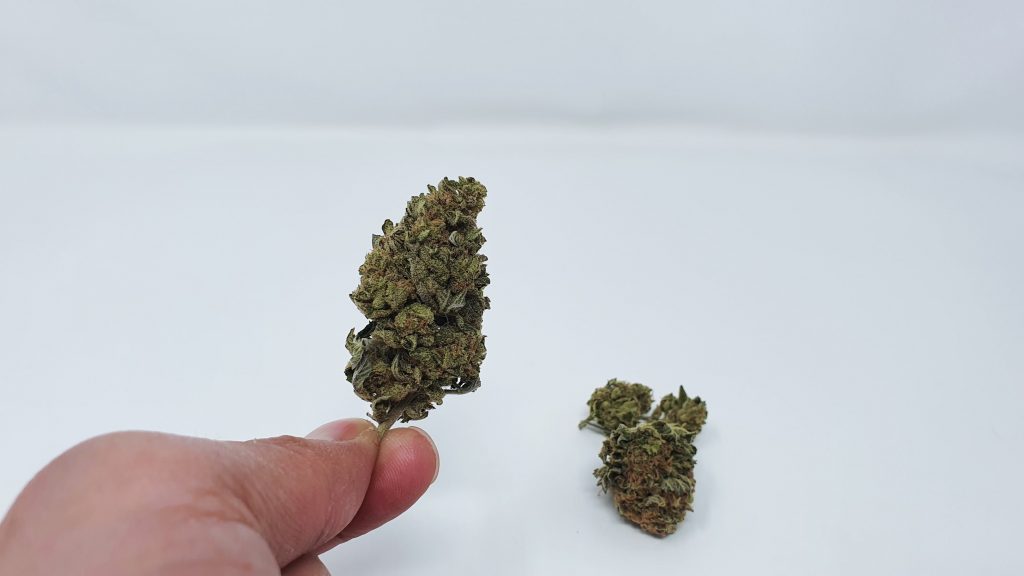
Phantom OG is a cannabis strain name often linked in older strain sources to Phantom Cookies and OG Kush genetics. Patients may encounter the name in reviews, strain libraries, or product descriptions. It can be useful context, but it is not medical guidance.
Key takeaways
- Phantom OG is a strain label, not a complete product or prescribing description.
- Reported effects come mostly from non-clinical sources and should not be treated as evidence.
- Aroma, appearance, and lineage do not predict whether a product is safe or suitable.
- THC-containing products can affect mood, anxiety, sleep, driving, and other medicines.
- Product changes should be discussed with a clinician if you are using medical cannabis.
What the label can and cannot tell you
The Phantom OG name may help explain why a product is described with OG Kush-related lineage or earthy, woody, or spicy aroma language. Those details can make a product easier to recognise.
The label cannot confirm THC/CBD strength, quality, onset, duration, side effects, interaction risk, or suitability for a condition. It also cannot tell you whether a product will feel calming, stimulating, sedating, or anxiety-provoking for you.
Product checks before comparison
Before comparing Phantom OG with another product, check:
- whether the product is prescribed, regulated, or only described informally
- THC and CBD strength
- route of use and expected onset
- likely duration and next-day effects
- batch, lab, or pharmacy information where available
- side-effect and interaction warnings
- mental health, driving, work, and caring implications
If those details are missing, the strain name is not enough to support a patient decision.
Reported effects and safety
Phantom OG is sometimes described with relaxation or mood-related effects. These reports may be useful for questions, but they do not prove benefit or predict your response.
THC-containing products can cause anxiety, panic, dizziness, confusion, sedation, dry mouth, impaired concentration, and slower reaction time. Some people may be more vulnerable to unwanted mental health effects, especially with high-THC products or rapid-onset routes.
If a product affects your alertness, judgement, co-ordination, or confidence, do not drive.
When to speak to a clinician
Speak to a clinician before changing product, dose, route, or timing. Seek advice sooner if you:
- have a history of psychosis, bipolar disorder, severe anxiety, substance dependence, or suicidal thoughts
- take sedatives, opioids, antidepressants, anticoagulants, seizure medicines, or several regular medicines
- are pregnant, breastfeeding, under 18, or asking about a young person
- need to drive, operate machinery, or work in a safety-critical role
- experience anxiety, paranoia, confusion, dizziness, unwanted sedation, or next-day impairment
Questions to ask
- Is Phantom OG the prescribed product name, cultivar name, or informal label?
- What are the THC and CBD strengths?
- What side effects should I monitor first?
- Could this affect anxiety, mood, sleep, driving, or other medicines?
- What should I do if the product feels too strong or unpredictable?
Related MCPH guides
- Strains hub
- Cannabinoids, terpenes and strains hub
- Medical cannabis side effects and interactions
- Medical cannabis and driving in the UK
- Cannabis and mental health: what patients should know
Bottom line
Phantom OG can help patients understand a strain label, but it cannot decide treatment. Focus on the exact product, strength, route, safety profile, and prescriber guidance.